As a long – time supplier of screw conveyors, I’ve seen firsthand the impact that these versatile machines can have on various industries. Flexible screw conveyors, in particular, are a popular choice due to their ability to move materials in a non – traditional, flexible path. However, like any piece of equipment, they come with their own set of common problems. In this blog, I will share my insights into these issues, which can help you better understand and manage your flexible screw conveyors for optimal performance. Screw Conveyor

Material Blockages
One of the most prevalent problems with flexible screw conveyors is material blockages. This can occur for several reasons. First, if the material being conveyed has a high moisture content, it may clump together. For example, in the food industry, when conveying flour with a slightly higher moisture level than recommended, the flour can form lumps that get stuck in the conveyor. These clumps can accumulate and eventually block the entire conveyor tube.
Secondly, materials with irregular shapes or large particles can also cause blockages. When a large chunk of material enters the conveyor, it may not fit smoothly through the screw mechanism. In a mineral processing plant, conveying ores with uneven sizes, some larger rocks can get wedged between the screw and the tube wall, halting the entire conveying process.
To prevent blockages, it is crucial to pre – treat the material. For materials with high moisture, drying processes can be applied. For irregular or large – sized materials, screening can be used to remove oversized pieces before they enter the conveyor. Additionally, proper conveyor design, such as choosing a tube diameter and screw pitch that are appropriate for the material, can also reduce the risk of blockages.
Wear and Tear
Flexible screw conveyors are constantly in motion, and as a result, wear and tear are inevitable. The screw, being the main moving part, is particularly susceptible. The continuous contact with the material creates friction, which over time causes the surface of the screw to wear down. In industries where abrasive materials like sand or gravel are conveyed, the wear rate can be quite high.
The tube of the conveyor can also experience wear. The material flowing through can scrape against the inner wall of the tube, especially if the material has sharp edges or is highly abrasive. This wear not only shortens the lifespan of the tube but can also affect the efficiency of the conveyor. For instance, if the tube wall becomes too thin due to wear, it may cause leakage of the conveyed material.
To mitigate wear and tear, choosing the right materials for the screw and tube is essential. For abrasive materials, using high – carbon steel or stainless steel with a wear – resistant coating can significantly extend the lifespan of the conveyor. Regular maintenance, such as inspecting the screw and tube for signs of wear and replacing worn parts in a timely manner, is also necessary.
Incomplete Discharge
In some cases, flexible screw conveyors may not fully discharge the material they are transporting. This can happen when the material has a high adhesion property. For example, in the chemical industry, certain polymers are sticky and tend to adhere to the screw and the inner wall of the tube. As a result, even after the conveying process is supposed to be completed, a significant amount of material remains in the conveyor.
Another reason for incomplete discharge is improper conveyor design. If the angle of inclination of the conveyor is too steep, the material may not flow smoothly to the discharge point. Or, if the screw speed is too low, the material may not be pushed out effectively.
To address incomplete discharge, anti – sticking coatings can be applied to the screw and tube to reduce material adhesion. Adjusting the conveyor’s operating parameters, such as increasing the screw speed or optimizing the angle of inclination, can also improve the discharge efficiency.
Noise and Vibration
Excessive noise and vibration are common problems that can indicate underlying issues with a flexible screw conveyor. One cause of noise and vibration is misalignment. If the screw is not properly aligned within the tube, it can create uneven forces during operation, leading to vibrations and noise. This misalignment can occur during installation or due to wear and tear over time.
Loose components can also contribute to noise and vibration. For example, if the bearings that support the screw are loose, they can cause the screw to wobble, resulting in increased vibration and noise. In addition, if the conveyor is not securely mounted, it can vibrate and make noise as it operates.
To reduce noise and vibration, proper installation is crucial. Ensuring that the screw is correctly aligned and all components are tightly fastened can minimize these problems. Regular maintenance to check for loose parts and realign the screw if necessary is also important.
Motor Overloading
The motor is the power source of the flexible screw conveyor, and overloading is a serious issue that can lead to motor failure. Overloading can occur when the conveyor is trying to move too much material at once. This might happen if the feeding rate into the conveyor is too high, or if the material is more dense or viscous than the conveyor was designed to handle.
Another cause of motor overloading is excessive friction. As mentioned earlier, wear and tear can increase the friction between the screw and the tube, making the motor work harder to turn the screw. Blockages can also cause the motor to overload as it struggles to push the material through the obstruction.
To prevent motor overloading, it is important to control the feeding rate of the material. Installing a feeder that can regulate the amount of material entering the conveyor can help. Regularly checking and maintaining the conveyor to reduce friction and prevent blockages is also crucial. Additionally, choosing a motor with an appropriate power rating for the specific application can avoid overloading.
Sealing Issues
Proper sealing is essential for flexible screw conveyors, especially when conveying dusty or hazardous materials. Sealing issues can occur at various points, such as the connection between the conveyor tube and the hopper, or around the end of the screw where it exits the tube.
If the seals are not tight enough, dust or material can leak out, which is not only a waste of material but can also pose health and safety risks to workers. In industries where the conveyed material is toxic or flammable, a leak can have serious consequences.
To ensure proper sealing, using high – quality seals and regularly inspecting them for damage or wear is important. If a seal is found to be damaged, it should be replaced immediately. Additionally, proper installation of the seals, following the manufacturer’s instructions, can prevent leakage.
Inaccurate Material Flow Rates
In many industrial processes, accurate control of material flow rates is crucial. However, flexible screw conveyors may experience issues with delivering a consistent flow rate. One reason is the variability in material properties. Even if the material is supposed to be uniform, small differences in moisture content, particle size, or density can affect how it flows through the conveyor.
The screw design and speed can also impact the material flow rate. If the screw pitch is not optimized for the material, it may not be able to convey the material at a consistent rate. Similarly, if the screw speed fluctuates, the flow rate will also vary.
To achieve more accurate material flow rates, it is necessary to understand the properties of the material and choose a screw conveyor with an appropriate design. Using a variable – speed drive to control the screw speed can help adjust the flow rate according to the process requirements. Regular calibration of the conveyor can also ensure that the flow rate remains accurate over time.
In conclusion, while flexible screw conveyors offer many advantages in material handling, they are not without their common problems. By being aware of these issues, such as material blockages, wear and tear, incomplete discharge, noise and vibration, motor overloading, sealing issues, and inaccurate material flow rates, and taking appropriate preventive and corrective measures, you can ensure the smooth operation and long – term reliability of your screw conveyors.
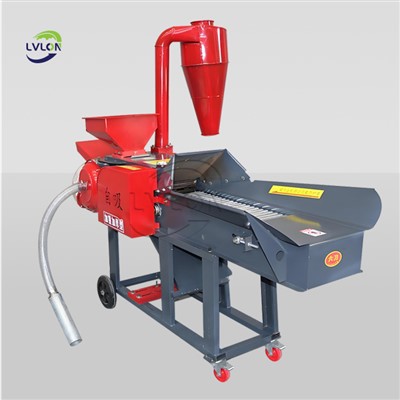
Chaff Cutter If you are facing any of these problems with your current flexible screw conveyors or are in the market for a new one, I’d be more than happy to discuss your specific needs and offer tailored solutions. I have extensive experience in the industry and can provide high – quality screw conveyors and professional after – sales service. Don’t hesitate to reach out to me for a consultation and to explore how we can work together to optimize your material handling processes.
References
- "Handbook of Bulk Solids Handling and Transport by Conveyor Systems" by Ernst Gülich
- "Screw Conveyors: Design, Operation and Maintenance" by various industry experts
Henan Lvlon Industrial Co., Ltd.
Address: Unit 5, 5th Floor, Building 11, No. 18 Dongfeng Road, Jinshui District, Zhengzhou City, Henan Province.
E-mail: lvlonxu@gmail.com
WebSite: https://www.lvlonmachinery.com/
