As a provider of substation structures, I’m acutely aware of the growing emphasis on understanding the environmental implications of the infrastructure we supply. Substation structures are fundamental components of the electrical grid, facilitating the transfer and distribution of electricity. However, their construction, operation, and decommissioning processes bring about various environmental impacts. In this blog, I’ll delve into the multifaceted relationship between substation structures and the environment. Substation Structures

Construction Phase
The construction of substation structures initiates a series of environmental effects, starting with land use and vegetation disruption. Securing a suitable site for the substation often necessitates clearing large swaths of land. This acts of deforestation or vegetation removal have a cascading effect on local biodiversity. Trees and plants not only provide habitat for countless species of birds, mammals, and insects but also play a crucial role in soil stability and water regulation. The loss of vegetation can lead to increased soil erosion. As the protective cover of plants is removed, rainwater can easily wash away top – soil, which is rich in nutrients and essential for future plant growth.
In addition to land clearance, the extraction of raw materials required for substation construction is another significant environmental concern. Steel, concrete, and other building materials are the backbone of substation structures. The mining operations for iron ore, limestone, and other minerals used in steel and concrete production generate large amounts of waste and pollutants. For example, the blast – furnace process in steelmaking emits substantial amounts of carbon dioxide, a major greenhouse gas contributing to global warming. Additionally, mining activities can lead to water pollution as heavy metals and chemicals are often released into nearby water bodies, posing a threat to aquatic life and human health.
Transportation also plays a vital part during the construction phase. Moving heavy construction materials and equipment to the substation site requires a significant amount of fuel. Trucks and other large vehicles burn fossil fuels, emitting nitrogen oxides, particulate matter, and additional carbon dioxide into the atmosphere. The cumulative emissions from transportation not only contribute to air pollution at the local level—resulting in smog and poor air quality—but also add to the overall greenhouse gas burden on a global scale.
Operation Phase
Once the substation structures are up and running, there are new sets of environmental impacts to consider. One of the most prominent issues during the operation phase is energy loss and inefficiency. Despite the best engineering efforts, a certain amount of energy is lost during the transformation and transmission processes within the substation. This wasted energy not only represents a financial loss but also requires additional power generation at the source to meet the demand. Since the majority of the world’s electricity still comes from fossil – fueled power plants, this leads to increased greenhouse gas emissions.
Electromagnetic fields (EMFs) are another aspect associated with the operation of substations. Although the scientific community has not reached a full consensus on the long – term health effects of EMFs, there is growing public concern. High – voltage substations generate strong EMFs, which can potentially affect the behavior and physiology of nearby wildlife. Some studies suggest that EMFs may interfere with the navigation systems of birds and insects, disrupting their migration patterns and foraging behaviors. This can have far – reaching consequences for the ecological balance in the surrounding area.
Noise pollution is yet another operational issue. Substation equipment such as transformers and cooling fans produce continuous noise. The constant humming and buzzing sounds can be a nuisance to nearby residents and can also impact wildlife. Noise can disrupt animal communication, which is crucial for mating, defending territory, and warning of predators. This can lead to stress and reduced reproductive success among affected species.
Decommissioning Phase
The end – of – life stage of substation structures also has environmental implications. When a substation reaches the end of its useful life, the decommissioning process involves disassembling and removing the structures. This can be an environmentally challenging task, especially if proper waste management practices are not followed.
The disposal of large amounts of waste materials, such as old steel parts and concrete debris, can place a strain on landfills. Many of these materials are non – biodegradable and can take up valuable space for an extended period. Moreover, if hazardous materials are present in the substation, such as asbestos in older structures, improper handling can lead to serious environmental contamination. Asbestos fibers, when released into the air, can cause respiratory diseases in humans, and they can also persist in the environment, posing long – term risks.
However, the decommissioning phase also presents an opportunity for environmental restoration. After the substation is removed, the site can be rehabilitated. This may involve re – vegetating the land, restoring natural waterways, and creating habitats for local wildlife. By implementing well – planned restoration projects, we can reverse some of the negative environmental impacts caused by the substation over its lifespan.
Mitigating the Environmental Impacts
As a substation structures supplier, I’m committed to minimizing the environmental footprint of our products. One way we’re addressing this is by promoting the use of more sustainable building materials. For example, we’re exploring the use of recycled steel, which reduces the demand for virgin iron ore and significantly cuts down on the energy consumption and emissions associated with steel production. Additionally, we’re looking into alternative concrete formulations that use less cement, a major source of carbon dioxide emissions.
In terms of design, we’re focusing on creating more energy – efficient substation structures. By optimizing the layout and the selection of equipment, we can reduce energy losses during operation. For instance, using high – efficiency transformers and improved insulation materials can enhance the overall performance of the substation and decrease its environmental impact.
We’re also working on reducing the noise levels of our substation equipment. Advanced noise – reduction technologies, such as sound – absorbing enclosures for transformers and fans, are being incorporated into our designs. This not only improves the living conditions for nearby residents but also mitigates the impact on wildlife.
Connecting for a Sustainable Future
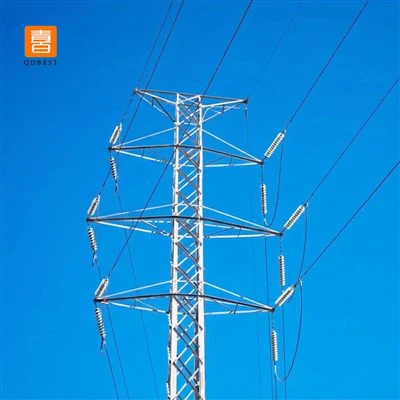
At our company, we understand that the environmental impact of substation structures is a complex issue that requires a multi – faceted approach. We’re dedicated to developing innovative solutions that balance the need for reliable electricity infrastructure with environmental stewardship.
The Monopole Tower If you’re in the market for substation structures and are concerned about the environmental footprint of your projects, we’d love to talk to you. Our team of experts can provide detailed information on how our products are designed to minimize environmental impacts. We offer a wide range of customizable solutions that meet both your technical requirements and your sustainability goals. Please reach out to us to discuss your needs and start a partnership that focuses on building a more sustainable future.
References
- European Environment Agency. (2020). Environmental impacts of power generation and transmission.
- International Energy Agency. (2019). Energy efficiency in substations: A global perspective.
- National Research Council. (2018). Electromagnetic fields and their ecological effects.
- World Health Organization. (2017). Guidelines for environmental noise management in the context of power facilities.
Qingdao BEST Steel Structure Co., Ltd.
Qingdao BEST Steel Structure Co., Ltd. is one of the most professional substation structures manufacturers and suppliers in China. We warmly welcome you to buy customized substation structures made in China here from our factory. If you have any enquiry about OEM service, please feel free to email us.
Address: Jiaobei Industrial Park, Qingdao, China
E-mail: sales@qdbsstower.com
WebSite: https://www.qdbsstower.com/
