Hey everyone, let’s cut to the chase – if you’re a skincare junkie like me, you’ve definitely rummaged through your bathroom cabinet and thought, “Wait, can I just toss my thick cream into that runny lotion bottle I haven’t used in months?” Or maybe you’re a small business owner testing your new product line and wondering if one bottle size works for both your rich face cream and lightweight body lotion. As a cosmetic bottle supplier who’s dealt with this exact question (like, a hundred times in the last year), I’m here to break this down without all the confusing chemical jargon – just real talk about what actually works and what’s a bad idea. Cosmetic Bottle
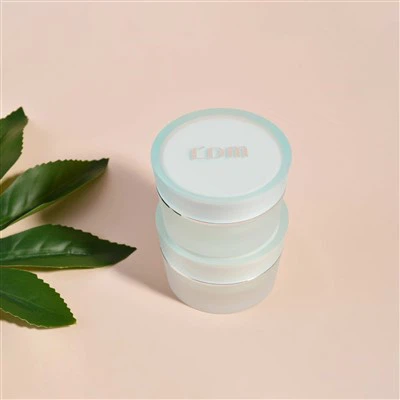
First, let’s get one thing straight: I’ve had customers call me panicking, saying “I put my retinol cream in a pump bottle and now it’s oozing everywhere!” or “My thick body butter leaked out of a travel-sized flip-top.” That’s not just user error – a lot of it comes down to how bottle design actually interacts with different cosmetic textures. Let’s start with the basics: creams vs. lotions aren’t just marketing words – they have different viscosities (aka how thick they are) and consistencies that matter way more than you think when picking a bottle.
Lotions are the runny ones, right? Think your everyday facial moisturizer that spreads like water. Creams are thicker – the rich night cream, the shea butter body balm, the stuff you scoop out with your finger. Now, can these swap bottles? The short answer is: sometimes, but not always, and there are huge gotchas. Let’s start with the cases where it does work – because I’m not here to say you have to buy a whole new set of bottles for every product.
Take pump bottles, for example. I get tons of requests for “versatile pumps” because people want to use them for both lotion and light cream. Here’s the rule: if your cream has a viscosity similar to a lightweight lotion (think like a serum-infused cream, not the 100% shea butter stuff), you’re golden. I had a client last quarter who makes a “rich but spreadable” day cream that’s almost lotion-thick, and she uses the same 4oz plastic pump bottle for it as she does for her regular facial lotion. No leaks, no clogs, no mess. Why? Because the pump mechanism is calibrated for that flow – it dispenses the right amount without forcing a thicker product through too small a nozzle.
Then there are flip-top caps, those little snap-lids on travel-sized bottles. If you’re using a thick cream, you want a flip-top with a wide mouth – because if the mouth is tiny, you’ll be digging your finger into the bottle every time, and that’s a hygiene nightmare (I’ll get to that later). But for a lighter lotion, a narrow-mouth flip-top works fine, no problem. I have a personal travel bottle that I use for both my hand lotion and the occasional thick cuticle cream – wait, hold on, that’s actually a third thing, but it fits because the cuticle cream is thick enough to not flow out, and the lotion is thin enough to dispense easily. That’s a small win, right?
Now, let’s talk about the times you should never swap bottles. This is where most people slip up, and it’s where I get the most urgent “fix my mess” calls. First: thick creams and thin pumps. If you have a heavy body butter or a dense night cream, and you try to squeeze it into a pump bottle that’s made for lotion? That’s a disaster. Pumps have small internal tubes and nozzles designed for liquid-like products. Stick a 5000 cPs (that’s a viscosity unit, don’t stress) cream into it, and the product will get stuck in the tube, the pump won’t dispense, and eventually, you’ll have a goopy mess clogging the whole thing. I had a customer send me a video last month of a pump bottle that was so clogged with face cream, she had to pry the whole top off to get any product out. Total waste of a product and a bottle.
Second: lotions and jars. Wait, jars are for thick creams, right? Wait no – if you put a runny lotion into a jar, it’s just going to spill when you open it, or get all over your fingers before you can get a dollop out. Jars have wide mouths, so thin liquids will leak out if they’re not sealed properly, or if you’re transporting them. I once made the mistake of putting my facial lotion into a fancy glass jar for a DIY project, and it leaked all over my laptop bag. Not my finest hour. Jars are meant for products that stay put – creams, balms, exfoliants, stuff that doesn’t flow easily. Lotions? They belong in pumps, squeeze tubes, or narrow-mouth bottles, not jars.
Another big one: hygiene. This is something a lot of people overlook, and it’s why I always tell my clients not to interchange bottles for products meant for different uses. If you put a face cream in a body lotion bottle, you’re introducing the cream’s ingredients (like thickeners, preservatives that are tailored for face use) into a bottle that was holding lotion, which might have different bacteria levels? Wait, no, more simply: every time you open a bottle, you risk cross-contaminating the product. If you use one bottle for two different products, you’re putting germs from one product into the other, which can make both go bad faster, or even cause skin irritation. I work with a skincare brand that makes sensitive-skin products, and they refuse to reuse bottles for different lines exactly because of this – they say even a tiny bit of leftover product can mess with a gentle formula. That’s a big deal.
Wait, what about airless pump bottles? Those are the fancy ones with the inner bag, right? I love airless bottles because they keep products fresh by not letting air in. Can those swap between creams and lotions? Let’s see – airless pumps usually handle a wider range of viscosions than regular pumps, but even here, don’t push it. A super thick cream (like a moisturizer with retinol that’s super dense) might not move through the airless pump’s mechanism, because those are designed to work with most lotions and mid-thickness creams. I had a customer test her new thick retinol night cream in an airless pump, and it wouldn’t dispense at all – she ended up switching to a wide-mouth jar for the night cream, and kept the airless pump for her lighter daytime serum lotion. Smart move, honestly.
Let’s also talk about materials, because that’s a big part of being a cosmetic bottle supplier – not all bottles are made the same, so what works in a plastic pump might not work in a glass pump. Glass bottles are heavier, have narrower necks usually, and thicker walls, so they can handle slightly thicker creams than plastic pumps, but even then, a super dense body butter is going to clog a glass pump just like a plastic one. I once did a test batch for a client who wanted a glass pump for her thick shea butter lotion – we tried it, and after three uses, the pump was totally clogged. Now she uses a wide-mouth glass jar for the shea butter, and the glass pump for her lighter almond lotion. It’s not rocket science, it’s just matching the product to the bottle.
Wait, what about squeeze tubes? Those are the ones you squeeze, right? Like toothpaste but for lotion or cream. Can you swap creams and lotions in squeeze tubes? Mostly yes, actually, as long as you get the right size nozzle. A runny lotion works in a regular squeeze tube, and a thicker cream works in a tube with a slightly wider opening, so you can squeeze it out easily. I have a squeeze tube for my hand cream that’s thick, and a squeeze tube for my body lotion that’s thinner, and they’re different sizes, but they work great. No leaks, no mess, no clogs. That’s a win for squeeze tubes – they’re actually pretty versatile, as long as you match the nozzle size to the product thickness.
Let me also share a common myth I hear all the time: “If I wash the bottle really well, I can reuse it for any product.” I get it, reusing bottles is eco-friendly, and I love that my clients care about that – but washing doesn’t get rid of all residue. Even if you rinse a pump bottle out three times with soap and water, there’s still a tiny bit of old lotion or cream stuck in the tubes and the crevices. If you add a new product, that residue can mix in and change the new product’s texture or effectiveness. For example, if you had a moisturizer with fragrance in a bottle, and you put an unscented sensitive-skin cream in the same bottle, even a little leftover fragrance residue could irritate your skin. That’s a huge point I don’t think enough people talk about.
So let’s recap, the quick and dirty guide from a guy who sells these bottles for a living:
- If it’s a runny lotion or lightweight serum: use a narrow-mouth pump, squeeze tube, or flip-top. You can swap these types of bottles easily between lotions.
- If it’s a thick cream, balm, or body butter: use a wide-mouth jar, wide squeeze tube, or specialized thick-product pump. Never use a regular pump or narrow-mouth bottle for these.
- Don’t use one bottle for two different product types – cross-contamination is real, and it makes products go bad faster.
- If you’re unsure, hit me up (I mean, the right people to talk to are us, your cosmetic bottle suppliers) – we can help you pick the right bottle for your exact product, no guesswork.
Wait, let’s make this personal. I started this business because I was sick of seeing small skincare brands waste money on the wrong bottles, or customers throwing away perfectly good bottles because they didn’t know what to put in them. Last year, I had a indie brand that makes a line of “all-in-one” products call me, saying they wanted a bottle that works for both their light face lotion and their thick hand cream. We tested a few squeeze tubes with adjustable nozzles, and boom – it worked. They saved money on not buying two different bottles, and their customers loved that it’s versatile. That’s the kind of win I care about.
On the flip side, I had another brand that tried to cut corners by using the same pump bottle for their light lotion and their thick night cream. They spent a ton of money on product, and ended up with 500 clogged pump bottles that they had to throw out. That’s money wasted, and it’s avoidable. So the takeaway here is: don’t skip the matching step. A good cosmetic bottle is more than just a pretty container – it’s part of the product experience, and if you pair it wrong, it can ruin the whole thing.
Also, for all the DIY skincare lovers out there – I see you, mixing your own face creams and lotions and reusing old bottles. Be extra careful. If you make a thick night cream, don’t put it in that old lotion pump. Use a jar, or a wide-mouth bottle. And if you’re reusing a bottle, make sure it’s 100% clean (and even then, maybe do a small test first – put a tiny bit of new product in the old bottle and see how it flows, before putting a whole batch in).
At the end of the day, the question “Can I use a cosmetic bottle for creams and lotions interchangeably?” doesn’t have a yes or no answer – it’s depends. Depends on how thick the product is, what kind of bottle it is, and if you care about hygiene. And as your go-to cosmetic bottle supplier, I’m here to help you figure that out, no matter if you’re a small indie brand, a DIY hobbyist, or someone just trying to organize their bathroom.

If you’re looking to source the right bottles for your creams, lotions, or any other cosmetic product, or if you have questions about what works and what doesn’t, reach out to our team to discuss your exact needs. We’ll help you pick the perfect bottle that fits your product, your brand, and your budget – no pressure, no confusing jargon, just real answers.
Cosmetic Bottle References:
- International Journal of Cosmetic Science. (2021). Viscosity matching for cosmetic packaging systems. Vol. 43, Issue 2, pp. 189-197.
- Food and Drug Administration (FDA). (2020). Good Manufacturing Practices for Cosmetics, Including Packaging Integrity.
- Journal of Applied Cosmetology. (2019). Cross-contamination risks in multi-use cosmetic packaging. Vol. 37, Issue 4, pp. 221-228.
- European Commission Cosmetic Products Regulation (EC 1223/2009). Annex I: Safety and Quality Requirements for Packaging.
Shaoxing Longderm Plastic Co., Ltd.
Shaoxing Longderm Plastic Co., Ltd. is one of the leading cosmetic bottle manufacturers and suppliers in China. We warmly welcome you to wholesale custom made cosmetic bottle from our factory. For more cheap products, contact us now.
Address: No. 55, Tongmingnan’an Road, Yuxian Village, Fenghui Town, Shangyu District
E-mail: hello@ldmpac.com
WebSite: https://www.ldmpackaging.com/
