If you’ve ever grabbed a water bottle, a salad dressing container, or a jar of pickles from the grocery store, chances are you’ve held a polyethylene (PE) bottle without even realizing it. As a PE bottle supplier, I get asked this question all the time: Is PE safe for food storage? It’s a fair question—recent headlines about plastic chemicals leaching into food and drinks have left a lot of people confused, and rightfully so. No one wants to unknowingly store food in a container that could compromise their health. PE Bottle
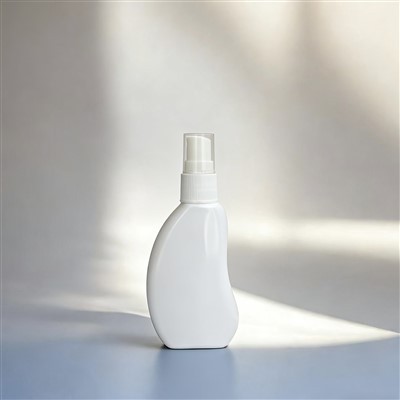
Let’s cut through the noise and talk about what science actually says, how we test our bottles, and why PE is one of the most reliable materials for food packaging out there. First, a quick breakdown of what PE is: it’s a thermoplastic polymer made from ethylene monomers. There are two main types that dominate food packaging: high-density polyethylene (HDPE) and low-density polyethylene (LDPE). Most rigid food bottles—think milk jugs, juice containers, and those reusable water bottles many of us carry—are HDPE, while LDPE is more often used for flexible packaging like plastic wrap or squeeze bottles. Both have unique properties, but both are regulated heavily when it comes to food contact.
The biggest concern anyone brings up is chemical leaching. Will PE chemicals seep into the food I’m storing? For decades, regulatory bodies around the world have studied this, and the consensus is clear: properly manufactured food-grade PE bottles don’t leach harmful chemicals under normal use. Let’s back that up with specifics. In the U.S., the Food and Drug Administration (FDA) has listed PE as a “substance generally recognized as safe (GRAS)” for food contact. That’s not a casual label—GRAS means independent scientific experts have reviewed all available data and concluded the material poses no known risk when used as intended. The European Food Safety Authority (EFSA) has a similar assessment, confirming that PE’s migration into food is well below levels that would cause health issues.
I don’t just say this as a supplier, either. We have third-party labs test every batch of our PE bottles to make sure they meet those strict FDA and EFSA standards. One of the key tests is for residual monomers—unreacted ethylene that might be left over from manufacturing. The amount left in food-grade PE is tiny, like parts per million, and studies show even in extreme cases (we’re talking storing acidic, high-fat foods at high temperatures for weeks, not a few days in the fridge), that amount is far below what’s considered safe. Other tests check for additives like plasticizers and stabilizers, which are used to make PE durable and moldable. Food-grade PE uses additives that are approved for food contact, and those additives don’t leach in meaningful quantities either.
Now, that’s not to say all PE bottles are the same. The key here is “food-grade” PE. Some lower-quality, non-food-grade PE—like the kind used for construction materials or non-food containers—might not have undergone those same safety tests. That’s why it’s so important to only buy PE bottles that are labeled for food use. We see this play out all the time: a customer might bring in a non-food plastic container to store leftover soup, not realizing it wasn’t designed for that, and that’s where the risk comes in. At our facility, every bottle we produce is made exclusively with food-grade resin, and we keep detailed records of every batch to prove it.
Another common question is about reuse. A lot of people have heard that reusing plastic bottles is bad, and while that’s true for some single-use plastics, the story is a little different for properly made PE bottles. Wait, let’s clarify: single-use water bottles, for example, are often made with thinner HDPE that can develop tiny scratches over time. Those scratches can trap bacteria, and if you don’t clean them thoroughly, that bacteria can make you sick. But if you have a sturdy, high-quality food-grade PE bottle (like the kind we make for bulk food storage), cleaning it with warm, soapy water or in the dishwasher (as long as it’s dishwasher-safe) is safe, and reusing it is fine. The key is avoiding scratches and not using the bottle for things it wasn’t designed for—like storing highly acidic foods for months, which no plastic should do, regardless of material.
There’s also the myth that “all plastics leach BPA” and so PE must too. Bisphenol A (BPA) is a chemical used in some polycarbonate plastics, which are a different material entirely. PE doesn’t contain BPA at all. That’s a huge point of confusion for a lot of people—they lump all plastics together, but each polymer has its own set of chemicals and safety profiles. PE is BPA-free, which is another reason it’s been the go-to for food packaging for generations. It’s also resistant to moisture, which is critical for keeping food fresh—no need to worry about water seeping through the bottle and ruining your stored goods.
Let’s talk about real-world use cases to put this in perspective. My grandma has been storing flour and sugar in HDPE containers for 40 years, and I’m still here to write this. My kid drinks milk from an HDPE jug every morning, and that’s been standard for decades. These aren’t rare cases—millions of households and food businesses rely on PE food storage because it’s safe, affordable, and practical. It’s not perfect, of course. Like all plastics, it’s not infinitely recyclable, but it’s recyclable, which is another plus. The resin identification code for PE is #2 for HDPE and #4 for LDPE, so most curbside recycling programs accept it, making it a more sustainable option than some other plastics.
I want to be transparent, though, because no supplier should claim their product is 100% risk-free. The only time PE can become unsafe is if it’s damaged. If a bottle cracks, gets discolored, or develops a foul odor, that’s a sign it’s breaking down, and it’s best to replace it. When plastics degrade, whether from exposure to sunlight, extreme temperatures, or physical damage, their chemical structure changes, and that can lead to more leaching. That’s true for PE and every other food-safe plastic, not just PE. It’s not a flaw in PE—it’s a general best practice for food storage: don’t use containers that are past their prime.
Another edge case: storing hot food. A lot of people worry about putting hot soup or coffee in a PE bottle. Food-grade HDPE has a melting point of around 230°F, so boiling water (212°F) is below that, so it won’t melt. But it can become softer at high temperatures, which might make it more likely to scratch or deform, so we generally recommend storing hot food in PE bottles that are designed to handle heat, or letting it cool a bit first. Again, this is a common-sense rule, not a flaw in PE’s safety profile.
As a PE bottle supplier, our top priority is safety. That’s why we invest in rigorous testing, use only food-grade resin, and follow every global regulation for food contact materials. We don’t cut corners—because we know our customers trust their health (and the health of their families or customers) to the bottles we make. We also offer custom solutions, from small bottles for home use to large industrial containers for food manufacturers, all meeting the same strict safety standards.
If you’re a small business owner looking for reliable food storage, a parent in need of safe containers for your kids’ snacks, or a food service operator sourcing bulk storage solutions, our team can help you choose the right PE bottle for your needs. We’ll answer all your questions about safety, compliance, and even customization to make sure you get exactly what you need without compromising on quality. We’ve worked with thousands of clients over the years, and their feedback tells us that when it comes to PE, safety isn’t a marketing buzzword—it’s a promise we keep.
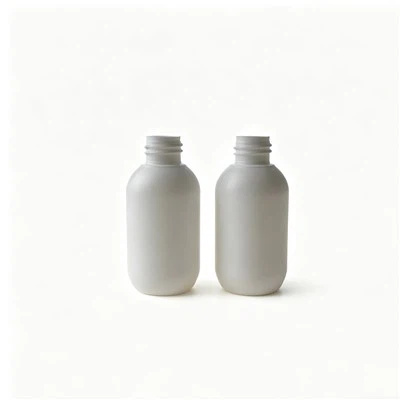
To sum it up: Yes, food-grade PE bottles are safe for food storage. The science backs it up, regulatory agencies have approved it, and decades of use prove it works. The key is making sure you’re using properly manufactured, food-grade PE, inspecting your containers regularly for damage, and following common-sense storage guidelines. If you’re ready to source high-quality PE bottles for your food storage needs, reach out to our team to discuss your requirements—we’re here to help you find the perfect solution that balances safety, affordability, and performance.
Wide-mouth Cosmetic Jar References
U.S. Food and Drug Administration. (2024). Food Contact Substances: Polyethylene. FDA.gov.
European Food Safety Authority. (2022). Safety Assessment of Polyethylene for Food Contact Materials. EFSA Journal.
Plastics Division of the Society of the Plastics Industry. (2023). Food-Grade Polyethylene: Safety and Application Guidelines. SPI.org.
Journal of Food Protection. (2021). Migration of Additives from High-Density Polyethylene Food Packaging Under Different Storage Conditions. J Food Prot.
Taizhou Fuyan Trading Co., Ltd.
As one of the most professional pe bottle manufacturers and suppliers in China, we’re featured by quality products and good service. Please rest assured to wholesale bulk pe bottle in stock here from our factory. Customized orders are welcome.
Address: Lupu Small and Micro Industrial Park, Lupu, Yuhuan City, Zhejiang Province
E-mail: taizhoufuyan@outlook.com
WebSite: https://www.fuyantrading.com/
